Wednesday, August 27, 2014

Life and It's Vicious Cycles


       We all get stuck in certain cycles at one point or another, it’s how our human brains work. Here are a few destructive lifestyle cycles to be aware of and how to fix them.


Let me give you an example of a day in the life of one of my closest friends, *Molly.


Molly wakes up early every morning and skips breakfast because she just isn’t hungry and her nervous stomach reminds her of the busy day ahead of her. She takes a 30 minute shower and loses track of time while she constantly worries about all the tasks she will have to complete when she gets to work. Because she loses track of time, she shows up 10 minutes late to work and is already behind. This stresses her out and slows her down. She didn’t have time to pack a lunch or snack, so she grabs a large coffee to get her through the morning. She is busy all day and doesn’t have time for a lunch break or even a short walk. She sits at a computer all day and by the time she gets home she is exhausted. Molly sits down in front of the TV and eats a rather large amount of processed carbs because she does not have time to cook dinner and she is very stressed out. She goes to bed late and starts the whole cycle over the next day.


I feel like this could be a pretty common daily routine for many people with a full time job and kids. As you can see this person is not eating right, exercising, or finding time to take care of themselves/relax.


Cycle #1 - Skipping Breakfast
After fasting all night you should be hungry when you wake up. If not, you have a hormonal imbalance. How should you fix this? Eat breakfast! Even if it is a small piece of fruit or a hard-boiled egg, something is better than nothing. Also try eating less right before bed. If you are used to eating a large dinner less than 2 hours before bed, you should try eating a smaller portion or eating earlier. If you are hungry when you wake up and you choose to skip breakfast because you think it will help you lose weight you are only making matters worse. Here’s why, “the brain interprets this as more starvation signals and further shuts down the metabolism. In fact the number one risk factor for obesity was skipping breakfast.” -Todd Burstain, MD & contributor to the website Hunger Hormones.


Cycle #2 - Fearing the Future

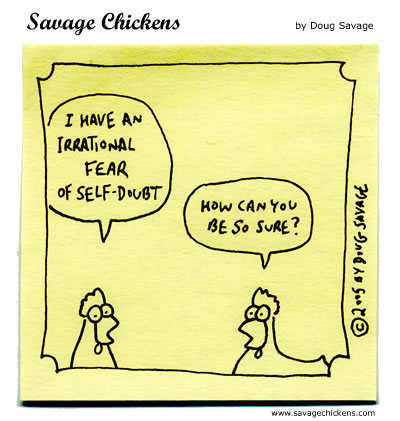
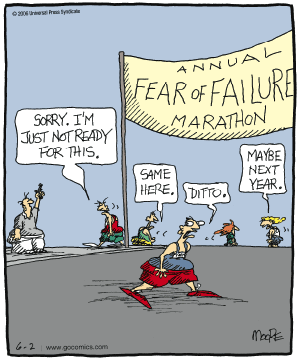
Have you ever made a mental list of everything you have to do for the day? It can be extremely helpful when planning which tasks to complete first, but if you take it too far you can find yourself wasting precious time worrying. Make a vague list and move on. I recommend writing your list down on a post it note or on your phone where you won’t lose it. Once your list is complete know that plans may change and you may need a backup plan. Trust yourself that you know what to do and you don’t need to go through the whole thing repeatedly in your head.


Cycle #3 - Fast Fix Caffeine
I don’t think it is healthy to have to rely on caffeine to keep your energy levels up. If a person is eating a variety of whole foods and getting enough sleep they will naturally be more alert throughout the day. Caffeine is a drug, and regular consumption causes mild physical dependence. That’s enough to keep me away from it. Another reason I am not pro-coffee is that most of the time people add sugary stuff to their cup-o-Joe. A little bit of black coffee along with a nice-sized breakfast would be stellar, because then you are getting a natural energy boost from food and you will be less likely to drink a large amount of coffee. I personally like to drink caffeine free herbal tea with my breakfast. It’s tasty and refreshing.


Cycle #4 - No Exercise
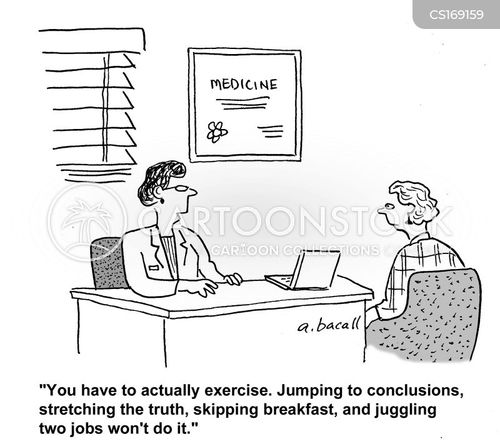
If you sit in front of a computer all day and do not participate in any physical activity outside of work, you are simply not getting enough exercise. Sitting all day can cause bad posture and muscle soreness. This can be taken care of by taking 5 minutes every hour to get up and stretch or just pace around. Also making more of an effort to take the stairs and finding any excuse to move is helpful. Even getting up 10 minutes earlier every morning to go for a quick walk or to practice your yoga will be extremely beneficial. This physical activity helps get your blood flowing and your brain working.


Cycle #5 - Fast Food
Processed carbohydrates are cheap and quick. As Americans we have easy access to tons of processed carbs; McDonalds, Wendy’s, Burger King, etc. While these foods may seem fast and cheap, they really aren’t in comparison to whole foods. Our environment and our farmers pay the negative consequences of our processed food consumption. In the long run taking the time to buy whole, all-natural foods and preparing them yourself will save time and money. If you don’t have time to cook on most days, choose one day of the week and reserve a couple hours of it as time to batch cook. You can store hard-boiled eggs, yams, and other cheap foods as quick snacks. If you have a freezer, use it. Make a large stir fry, some vegetable soup, or a casserole (enough for the week) and throw it in your freezer. Now you have frozen meals ready to go whenever you need them. This works best if you have hot running water or a microwave at work (for thawing). If not you can make smaller amounts and keep them in the fridge, but be careful that your food isn’t rotten before you eat it. An easy way to tell is to take a sniff. If it stinks, throw it. Just don’t get sucked into the fast food thing because processed carbs are naturally addicting and they do nasty things to our bodies.


Cycle # 6 - TV as Stress Release
TV. Why do we watch it? To entertain, relax, take our mind off of things. Well that's exactly what it does. Studies show that when engrossed with a TV show our mind shuts down and our breathing gets shallower. Certain shows cause violence and commercials are suspected to make us more materialistic. Watching TV on a daily basis is just plain not good for our bodies. We are meant to move and act, not sit and watch. A good movie with some friends once in a while is alright. You can’t get back the precious time you lose sitting in front of the TV, so instead try reading a book or an article in the newspaper, go for a walk by yourself or with the dog or maybe even take the cat for a walk. Paint a picture, write a poem, sing your favorite song, treat yourself to an Epsom salt bath, go to the park, organize your closet, learn how to play guitar, cook, clean, whatever! Just don’t get into the habit of plopping down in front of the TV. It’s a nasty habit to break.


Cycle # 7 - Not Taking Time for Yourself
Life goes by fast when you never take a step back and reward yourself for your hard work. You don’t have to wait until you retire to enjoy yourself, start now by taking at least 10 minutes a day to meditate or breathe deeply or sit back and watch the sunset. It will release stress and help clear up many of the thoughts constantly crowding your busy mind.


These are just a few cycles that I see a lot of people get trapped in. Don’t be a victim! I hope some of these ideas were helpful and feel free to comment! What are some things you’ve seen or some tips for avoiding these cycles? Comment below!


*Name has been changed


Saturday, August 23, 2014

A Little More Empathy

Life gets better I suppose. I wish it would just get better on its own, I wish we all had all of the answers to everything and everyone was fearless, but we aren’t. We all have fears that hold us back and we all make so many mistakes. As a kid I always thought of adults as Gods. They had an answer for everything and for the sake of our sanity they stayed calm to let us know that we were okay as long as we were with them. I couldn’t wait to grow up and know all the answers some day. To my great disappointment I realized that no one has the answers to anything and that we all live by our own rules.

I could look at that as a disappointment or as another factor of life that keeps things spicy. The only problem with making our own rules and decisions is that most of the time it’s easier to be negative as well as to feel sorry for ourselves, rather than keep our head up with a grin on our face. What we really need is a little more empathy and compassion.

A ton of kids, teens, and even adults struggle with depression, eating disorders, cutting, suicidal thoughts, etc… There are some people who go through the feelings, but never get too caught up in them. E.g. it’s normal to feel depressed sometimes, but when it takes over your life you have let it go too far. This is where people need the most empathy. They don’t need criticism or lectures, maybe just someone to say, “Hey! I see you and your struggles. I want you to know that things will get better.” The only catch is that things will only get better if you decide to make them better.

Therefore empathy is the first step to healing your life. The next step is choose a positive attitude. Not like an ignorant, happy-go-lucky type of positive, but at least an optimistic positive. Just being able to say “Hey, today is going to be better because I am going to make it better by choosing a good attitude,” will assist you in tackling the third and final step; fixing the problem. Having the knowledge that others before you have survived this while also being optimistic will help you conquer the problem head on until it is eradicated from your worries.

It’s okay to feel depressed, hopeless, helpless, sad, or bipolar. Its okay to feel every emotion there is, but in the long run most of us are aiming for happiness so that is what we should practice most often; happiness. I think all we need is a little more empathy.

-Liz:)

Thursday, August 14, 2014

Top 10 Most Inspirational Weightlifting Videos

Weightlifting is one of those sports where you have to do it to fully understand it. There is so much emotion and hard work that goes into every single lift. It's terrifying, it's gravity-defying, it's insanity. We lift weights because we know that feeling that comes with a new PR,  or just overcoming anything you thought you couldn't. Weightlifting is about overcoming the odds and growing stronger.
Check out this collection of videos that convey the passion and labor we embrace as weightlifters.


#10 The Dark Orchestra

  Jon North is known for his ambitious attitude and
 fierce rants. This man speaks through the barbell. 


#9 Believe

A powerful mix of powerlifting and weightlifting clips
along with empowering audio that explains the
 importance of believing in yourself.


#8 Strong Will

The story of Zach Krych's devastating injury and
his will to come back.


#7 Donny Shankle is Back

The Lion Killer Donny Shankle making his way
back after breaking his neck while weightlifting.
"If you're going to try, go all the way." - Bukowski


#6 American Weightlifting

A trailer to the best (and only) weightlifting movie
 made in America. Check out the full movie at 
http://www.americanweightliftingfilm.com


#5 The Artist and The Olympian

This video portrays the "art of weightlifting." With
anything there is good days and bad days.


#4 The Strongest Man in the World

This heartbreaking performance will give you
chills once you realize what he's been through.


#3 For Me.

The differences between a dedicated athlete and
a lazy athlete.


#2 Life of a Weightlifter

Once a weightlifter always a weightlifter.


#1 We Are Weightlifters

Life is about breaking your own limits and getting
the best out of yourself, so is weightlifting.

Thursday, July 17, 2014

Perfect Laughter

We are going to be the best in the world some day. We will applaud ourselves in jubilation. No one else will mind, and that’s quite alright. They won’t understand all the hard work we put in and the desire that drove us day after day. They won’t have the capacity to taste the same flavor of success as we. We’re going to beam through our core with satisfaction and when we pass you on the street you will instantly feel like a crisp breath of oxygen. We will inspire you to pursue your wildest ambitions with an ineradicable grin on your countenance.

The attitude we put forth towards living is all we can deal with at any given moment. The unbreakable will break and the unbroken will never realize what they missed. We will take what we have and turn it into gold. We will spread positivity like jam over humankind and unleash our limits. We will defy all the laws of abstinence and ignorance towards the potential of the human brain. We will die in a fit of laughter in our archaic age. No trace of pain or struggle left behind. The impact we left on the people we loved is all that will be.

Tuesday, July 8, 2014

How to Get Over Irrational Fears

Needles. They said it wouldn’t hurt, they said it would be over in the blink of an eye. I trembled as I thought of everything that could go wrong. What if they put the needle in the wrong place and I bled to death? What if I lost the feeling in my arm and was never able to move it again? For the last two weeks leading up to my injection that was all I could think about. Everything that could go wrong was always in the back of my mind, preoccupying my every thought. When I finally went in to get the injection I was almost in tears. The doctor was like “Now dear, you don’t have to do this if you don’t want to.” I thought, of course I don’t want to do this, are you crazy?! She even went so far as to assure me that no one has ever died from this procedure before. When they finally numbed me up and stuck the needle in I couldn’t even feel it, and it was over in less than 10 minutes. All that worrying for nothing.


Raise your hand if you have ever let the fear of the unknown hold you back from enjoying life to the fullest. I’m guessing that everyone raised their hand. Whether it was an important job interview or going out on a blind date or giving a speech in front of a large crowd. All of those “what if” questions start popping up and we start to imagine the worst. As humans, we have a bias towards noticing negative news over positive news (Altucher). Same goes for having negative thoughts over positive thoughts. It is just plain easier to be pessimistic than it is to be optimistic. When I ask my friends what they want to be when they grow up or what their dream is, the most common answer I hear is, “I want to be happy.” We fall into this common misconception that if we make this amount of money or we get this type of car or have this many friends we will be happy. The truth is that being happy is a present-day activity, it’s a choice. It’s not a destination, or something you work towards. The people that are happy choose to be happy. They choose to be optimistic instead of pessimistic. No one has everything perfect. No one is perfect. Even the people that are happy have their bad days when they can’t stop worrying about a certain upcoming event in their life. The difference is that they notice it, pull out of it, and keep trudging forward with a smile on their face.


Next time you catch yourself worrying or having irrational fears about an upcoming event try to imagine everything that could go right. Look at all the positive possibilities. Try seeing yourself getting that job interview, making a great connection on that date, and giving the best speech in history. If we can learn to be automatically optimistic in everything we do and stop worrying about the future we can enjoy life in the moment.


Set yourself up for success and happiness by being optimistic. :)


Sources:


Altucher, James. "HOW TO GET AN MBA FROM EMINEM." Altucher Confidential RSS. N.p., n.d. Web. 03 July 2014.

Monday, June 30, 2014

How much should you train?

Having an all or nothing attitude is good in many ways; it is a sign of dedication and determination, but if not balanced properly it can lead to a complete burn out. I was under the notion that giving 110% to your goals and doing everything possible to make them come true was the absolute way to go, but I was bewildered when my coach told me to “get a life.” He didn’t mean it in a mean way at all. What he was saying is that having a life outside of the gym, like another hobby or group of friends can be a good thing! It may not seem like it is contributing towards the goal, but it is considered recovery; mental recovery from stressing and fretting about all the work it will take to reach your goal.
“Feeling that you are solely defined by your job — even if it is going well — can raise your chances of experiencing anxiety, depression and burnout, because you don’t have a perception of yourself outside of work.” -psychotherapist Michelle Maidenberg

Martial arts and mind games like chess
 are great hobbies for a sharper mind.
It also activates different parts of the brain and helps strengthen the mind. According to Dr. S. Ausim Azizi, chairman of the department of neurology at Temple University’s School of Medicine, having a hobby activates an area of the brain called the nucleus accumbens that controls how we feel about life and also stimulates the brain’s septal zone which can give you feelings of happiness. Believe it or not hobbies can even enhance your creativity, help you think clearly, and sharpen your focus (Zimmerman). Being able to focus and to think clearly are both very helpful in the sport of weightlifting. Hobbies also develop new territory in your brain. Any new challenge you undertake will create new associations and force your brain to accommodate new information and new routines (Michalowicz).

It’s also good to remember that life goes by quickly and every moment we have will pass so we better make the best of them by exposing ourselves to diversity and taking it all in. A wise crossfitter at my gym once told me not to rush life, because you can never get it back. It could go both ways, I most likely won’t ever have another opportunity to lift weights full time and live in a house free of rent with parents paying the grocery bills. But then again I will never have the chance to be 15 again and go to dances and football games with my friends. I guess it’s just a question of, how much do you want it? How much are you willing to devote to your dream? and is is worth it? Then there is the argument that in order to be successful a person must have balance in their life, but when you ask an olympic athlete how they divide their time I’m guessing the majority of it is either spent in the gym or recovering.

Sometimes better judgement outweighs the equation, hard work = success. Some people need a hobby or a sport outside of their main obsession, while others struggle with not devoting enough time to their obsession. Some athletes thrive training 10x a week, while others perform best training only 4x a week.

Let me tell you about the Russians. The junior Russian weightlifters do almost nothing but eat, sleep, and train. Literally. Their life revolves around it and they are known as some of the best lifters in the world. Their day starts with eating a lot of food and taking a nap to get fueled up for lifting, then they receive personal massages before starting their warm-up. After warming up they train, then more massages; and the cycle begins again with eating accompanied by another nap. They do this 5 days a week, with Thursday and Sunday as rest days (Youtube). On the other hand Zoe Smith, an Olympic competitor and Commonwealth games medalist at the age of 16, says she can only stand to be in the gym once a day (Zoe). In one interview with the young champion it says she is “like any other teenager, she loves seeing her friends, spending time on the internet, and listening to music.” (Shah) Another young lifter from Great Britain, Rebekah Tiler only trains for two hours a day four times a week (Tiler). At only 15 Tiler is the youngest ever European and British Champion, and an Olympic hopeful. She snatches 200 pounds and clean & jerks 253 pounds weighing less than 151 pounds (McDaid).

Personally I’ve tried training twice a day and I loved it, but my body didn’t. I’ve shaved my gym sessions down to only 5x a week and sometimes even less because I’m not recovering enough and it’s just not working for me. Also I am only about a year into my weightlifting journey, so training twice a day isn’t the most realistic option. More isn’t always better. That’s been a tough lesson for me to learn. For now I am experimenting with “getting a life” and finding a hobby outside of the gym instead of letting my life revolve only around weightlifting. Hopefully this will benefit my lifting and my outlook on life.


What I realize after writing this is that different things work for different people. How much you train and recover depends on your individual situation and your goals. So find out what works for you and stick to it.


Sources:

McDaid, David. "Tiler Wins Senior Women's Title at 15." BBC Sport. N.p., n.d. Web. 30 June 2014.

Michalowicz, Mike. "9 Ways to Instantly Strengthen Your Brain." OPEN Forum. N.p., n.d. Web. 30 June 2014.

"One Day the Men's JUNIOR's National Team Russia (edition-1)." YouTube. YouTube, n.d. Web. 30 June 2014.

Shah, Sonali. "Commonwealth Games 2010: What Makes Zoe Smith Special?" BBC News. BBC, 10 June 2010. Web. 30 June 2014.

Smith, Chad. "4 Ways To Make Any Program Work - Juggernaut Training Systems." Juggernaut Training Systems RSS. N.p., n.d. Web. 30 June 2014.

Tiler, Rebekah. "Rebekah Tiler." Sportsaid.org.uk. N.p., n.d. Web.

"The Weightlifters,Russian Junior Team Documentary (English Subtitles)." YouTube. YouTube, n.d. Web. 30 June 2014.

Zimmerman, Eilene. "Hobbies Are Rich In Psychic Rewards." The New York Times. The New York Times, 01 Dec. 2007. Web. 30 June 2014.

"Zoe Smith In Person The Weightlifting World Podcast." YouTube. YouTube, n.d. Web. 30 June 2014.


Preferences
Preferences
Preferences
§
1
2
3
4
5
6
7
8
9
0
-
=
Backspace
Tab
q
w
e
r
t
y
u
i
o
p
[
]
Return
capslock
a
s
d
f
g
h
j
k
l
;
'
\
shift
`
z
x
c
v
b
n
m
,
.
/
shift
English
alt
alt
Preferences

Monday, June 9, 2014

Champion


One day she signed away her life
and never turned back

She toiled for hours a day
with slow results that discouraged her profoundly

But she kept going
because she knew that champions never quit

Her friends were scared of her obsession
they left her out and slowly forgot

But she didn’t mind
because she knew that champions make sacrifices

Her family complained of her disappearance
they called her impolite

But she still trained
because she knew that champions are never absent

Her coach forced her to take days off
he said “even the Russians take breaks!”

But regardless she trained in her mind
because she knew that champions don’t win in the gym

Her supporters told her “great job!”
they said “you can do it!”

But she was already aware
because she knew that champions have faith in themselves

She never won a gold medal
and never qualified for the Olympics

But she never gave up
because determination is what makes a champion

~


Thursday, June 5, 2014

How Can Food Change Your Life?

Changing my diet from processed food to all-natural food has made me a better athlete, student, and person. My family has benefited from this peculiar way of eating as well. I bet you didn't realize how much food could affect every aspect of your life.

The acronym SAD represents the Standard American Diet, which is characterized by large quantities of refined and processed grains, high-fat foods, processed meats, high-sugar drinks, and high-sugar foods (wiki). Most people think that a low-carb, low-fat, low-calorie diet is the best way to stay fit and healthy, but the truth is that is just a great way to slow down your metabolism which ultimately leads to weight gain and a muggy brain. I am going to explain how putting down the granola bars and orange juice can save your life.

I learned about this new diet when I started doing Crossfit. Crossfit is an extremely taxing sport both mentally and physically, and because of this it is important to have a diet that is optimal for physical fitness as well as brain function. Our gym does something called “The Whole Life Challenge,” where you basically give up all processed foods for 60 days and see how your body changes. The knowledge I gathered while doing this challenge was stunning and improved my quality of life.

I have always been an athlete and I used to think that the perfect day food-wise looked something like this:
breakfast - low fat bagel + fat free cream cheese + glass of orange juice
lunch - granola bar + apple + lunch meat sandwich
snack - crackers or some kind of low fat food
dinner - pasta + marinara sauce + meatballs
Most people would look at that and agree it looks pretty healthy. Not too much fat, not too many calories. Now I know that although eating like that will keep you skinny, it will not necessarily benefit your overall health.

Back to the Whole Life Challenge. I thought that people were crazy for giving up so many foods and I had many doubts. How will I get enough nutrients? Enough calories? How will I get my required calcium intake if I can’t drink milk? What about sugar and carbs? Where will I get my energy from? On this journey I have found the answers to all of these plus any other food related questions a person could possibly think of.

For the duration of the challenge you are only allowed to eat sweet potatoes, organic butter, nuts/seeds, fruits, all vegetables except corn, and meats that are not processed. Other foods are left out because they have one of the following consequences: a negative hormonal response (ex: raises insulin too much), a negative psychological response (ex: addictive foods), don’t support a healthy gut (ex: foreign proteins/chemicals/GMOs), or they increase inflammation in the digestive system (ex: gluten). (Hartwig)

It is a challenge at first to choose sweet potatoes over ice cream or green beans instead of bread, but once you follow the challenge seriously you start to notice some pretty big changes. You start to lean up, cardio isn’t as taxing on your body, recovery time speeds up, it’s easier to think clearly and focus, you’re not as tired or hungry during the day, and stress levels stay in check.

Physical changes. On the Whole Life Challenge I noticed that my body started to lean out. I gained muscle and lost fat. My mile time decreased and intense cardio workouts started to feel less taxing. I also was able to recover faster after workouts which allowed me to push harder the next day. I found this to be due to the high amounts of fat I was eating throughout the day. Instead of looking to sugar for a source of energy, fat was my go-to pre-workout fuel. A handful of almonds, 1/2 an avocado, or even a couple eggs is all it takes. On the other hand my strength increased and I found that my mobility/flexibility improved. When you are eating foods that don’t induce inflammation, your body isn’t as sore and that makes it much easier to get into tough positions such as a squat (Becker).

Mental changes. Most people know that certain foods can trigger headaches. It may be shocking, but headaches aren’t the only thing that can be caused by food. Many diseases such as dementia, chronic headaches, depression, epilepsy, and diabetes are caused by the foods we eat as well (Drevitch). All the chemicals and crap they put in food nowadays to make it taste good (as well as make it addictive) change the expression of our genes (Nature). Certain genes can be turned on or off depending on outside factors such as environment or diet. For example cancer cells start off as healthy cells and slowly mutate into cancerous cells through changes in gene expression caused by being exposed to certain things like foods, substances, chemicals, etc... (Science Museum). Eating the right amounts of the proper nutrients and avoiding processed foods can reduce your risk for pretty much every lifestyle related disease there is (Cancer Research). If that doesn’t convince you to stop eating oreos maybe this will. People with diets high in fat are 42% less likely to face cognitive impairment compared to people with low fat diets (Drevitch). Mr. Drevitch also goes on to say “there's a big difference between eating fat and being fat. People who eat more fat tend to consume fewer carbs. As a result, they produce less insulin and store less fat in their bodies.” Personally I noticed that I was able to focus better and think more clearly. I even gained confidence from knowing that what I was putting into my body was the best choice.

Hormonal changes. I cannot stress enough how important hormone levels are. Eating all natural balances them out. People who eat processed foods usually have at least one the following: acne, allergies, anxiety, depression, fatigue, headaches, mood swings (Turbin). Eating artificial sweeteners, dairy, grains, legumes, soy, and seed oils cause more problems than you would think. One of the most well-known diseases caused by a bad diet is diabetes. Sugars and sweeteners promote insulin resistance, leptin resistance, a leaky gut, and they are just empty calories that don’t provide any nutritional value (Hartwig). I don’t know about you, but I prefer to have a healthy hormone balance so my body can function optimally at all times. Did you know that before alarm clocks were invented people used to wake up due to elevated cortisol levels? These days most people won’t get up unless their alarm clock goes off at top volume. If you need an alarm clock to wake up that’s a sign that your hormone levels are out of balance (Parsley).

Relationship changes. I convinced my family to do the challenge with me the second time around and so far they have reaped the benefits along with me. Since healthful choices are highly influenced by what’s available it’s critical to always have good food prepared if you want to be successful during this challenge. It’s no fun to go to a picnic and have to stare at delicious looking foods that you aren't supposed to eat, but that picnic wouldn’t be so bad if you were prepared and brought along some homemade all-natural food. Having good food available and knowing that we are all in this together has strengthened my family and gave us all something in common to shoot for. Even the community at my gym has been strengthened through this challenge. We are all learning, struggling, and helping each other out. The biggest change that will affect your relationships caused by eating healthy is that you won’t be as cranky as often. We all have our days, but by taking care of your body and having balanced hormones it makes life a little more enjoyable.

I don’t diet, I just eat for my goals. My goals are to be extremely strong both mentally and physically. I also want to go to the Olympics and run a Spartan Death race. Eating all natural foods is the most efficient diet for me. I think that this way of eating is not only perfect for athletes, but for anyone who is overweight or suffers a chronic illness (or any illness for that matter). This lifestyle is not a quick fix and I promise you that you won’t lose 10 pounds in 10 days. It takes time and patience for change to occur, especially if you want long-lasting effects.

The main reason we eat is to fuel our bodies and gain energy, not for pleasure and not to offset emotions. It may be hard to make changes in your diet, but the benefits you will have in the future are so worth it.

Overall changing the way I eat has improved my quality of life. I preach about eating healthy because I presume that something that could change your life so much ought to be known by everybody. I asked one of my classmates what eating healthy was to them. I got the typical response of “low-fat granola bars, whole-grain bread, and fruit.” It is really hard to educate people about what real healthy food is because they immediately become defensive when you suggest that what they know about food is incorrect. Hopefully by sharing this and through the growing popularity of Crossfit we can change the way the world views food.


Works Cited
Allen, Will. "GMO Food, Antibiotic Laced Meat and High Fructose Corn Syrup Have Made the U.S. the Fattest Nation in History!" GMO Food, Antibiotic Laced Meat and High Fructose Corn Syrup Have Made the U.S. the Fattest Nation in History! Organic Consumers Assosiation, 5 Sept. 2012. Web. 26 May 2014.
Bauer, Joy. "Hidden Additives." Www.joybauer.com. Web. 26 May 2014.
Becker, Liz. "Road to Rio." : Muscle Inflammation vs. Food Inflammation. Blogspot, 10 May 2014. Web. 26 May 2014.
"Diet and Cancer - Different Foods and Nutrients." : Cancer Research UK. 2 Dec. 2010. Web. 26 May 2014.
Drevitch, Gary. "What Grain Is Doing to Your Brain." Next Avenue. PBS, 17 Nov. 2013. Web. 26 May 2014.
HARTWIG, MELISSA. It Starts with Food: Discover the Whole 30 and Change Your Life in Unexpected Ways. Rutland: Tuttle, 2012. Print.
Lobo, Ingrid. "Environmental Influences on Gene Expression." Nature.com. Nature Publishing Group. Web. 26 May 2014.
Parsley, Kirk, Dr. "Re: 1 QUICK WAY TO NATURUALY INCREASE TESTOSTERONE: SLEEP." Audio blog comment. Barbell Shrugged. N.p., n.d. Web. 26 May 2014.
Turbin, Tina. "Hormones and Paleo | Paleomazing." Paleomazing. TTAT. Web. 26 May 2014.
"Western Pattern Diet." Wikipedia. Wikimedia Foundation, 21 May 2014. Web. 26 May 2014.
"Who Am I?" How Do Healthy Cells Become Cancerous? Wellcome Trust. Web. 26 May 2014.